LLM's Are Not Your Therapist
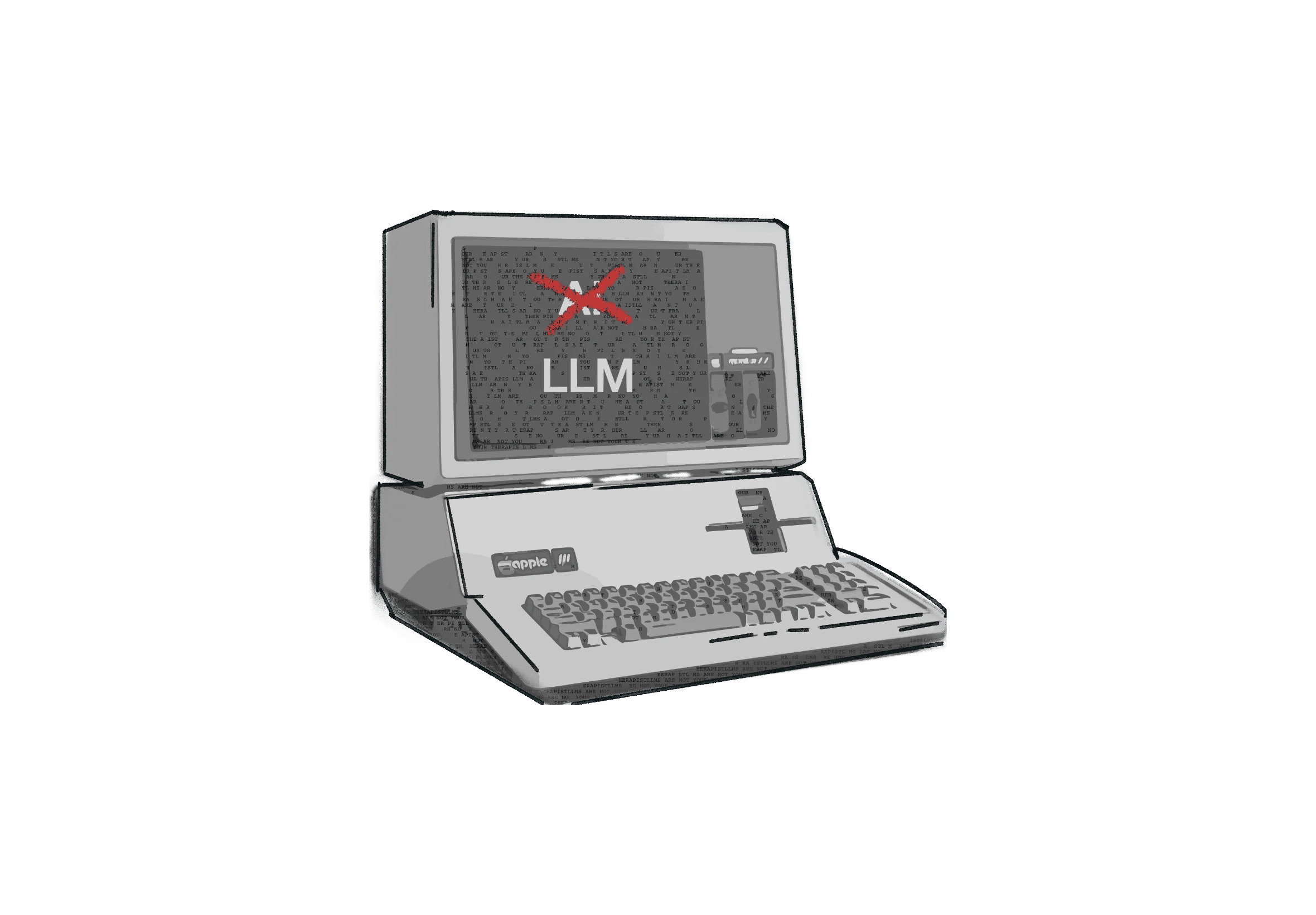
LLM's/AI, cannot provide the humanity that therapists inherently bring to sessions with their clients.

(not an AI-generated voice)
To all those using AI as a therapist, I fear you're letting these systems rob you of the experience in truly building yourselves up as a person.
In fact, sharing personal info to AI isn't helping you. For one, AI is completely unregulated and it's not protecting your privacy at all. Not even a little bit.
Seriously, whatever you're saying to it about your personal life is being tracked, retained, and can potentially be used against you at some point.
So I hope it's nothing you wouldn't want everyone to see.
As this research article from Stanford on the usage of LLM's for therapy points out, "LLMs memorize and regurgitate their training data, meaning that providing them with sensitive personal data is a serious risk."
Additionally, there's no way for an LLM (or AI as it's colloquially known) to replace a licensed therapist.
For all those who aren't techies, "AI" as it's marketed today isn't the Artificial Intelligence we all know from Sci-Fi Books, Movies, Video Games, and Television.
In truth, AI as it exists today is a technology designed to repeat phrases back to you in a complicated way.
An LLM (Large Language Model) is a system designed to generate human-like text.
This piece from The Verge explains it well, stating "LLMs are simply tools that emulate the communicative function of language, not the separate and distinct cognitive processes of thinking and reasoning."
In other words, it's designed to toss out information in a way that makes you feel as though you're having a conversation with it, but it has no capability to actually have a conversation the way a human would.
LLM's throw so much information at you that in fact, most people don't learn anything from their conversations with an LLM.
A piece from Psychology Today explains how the presence of LLM's, or AI, is impacting sessions for therapists.
As this article points out when quoting psychotherapist, Mark Shelvock, AI "often just vomits information at you, often so much that the psyche can’t really take it all in at once.”
The article goes on to explain Shelvock's experience with a client where they spent the session reading their conversation with an AI aloud.
In the next session, Shelvock asked his client which of the chatbot’s responses had landed with him the most, and the client replied “Honestly, I don’t remember most of it."
If LLM's are giving their users too much information that they're unable to retain it, then why would we try to use it for something as important as making decisions for our lives?
An LLM has no way to understand who you are as a person in any way that can give you a productive response that is going to help you in your unique life.
LLM's don't have the ability to consider complex human cultural differences and how this might impact you as a person.
LLM's have no ability to care for you as a person and they're not capable of understanding how to help you make sense of your emotions like a licensed therapist would.
LLMs cannot replace mental health professionals and endanger those that try to use it for these purposes.
And if you don't care about any of this, that's fine, but I wanted anyone reading this to understand what using LLM's in place of a therapist takes away from them.
I go more into this in a separate post on LLM's Are Robbing You of Your Opportunity to Build Self-Trust.
Works Cited
Frye, Devon. When ChatGPT Joins the Therapy Session, Psychology Today, 7 July 2026, www.psychologytoday.com/gb/articles/202607/when-chatgpt-joins-the-therapy-session.
Large Language Model (LLM), geeksforgeeks, 2 May 2026, www.geeksforgeeks.org/artificial-intelligence/large-language-model-llm/.
Moore, J., Grabb, D., Agnew, W., Klyman, K., Chancellor, S., Ong, D. C., & Haber, N. (2025). Expressing stigma and inappropriate responses prevents llms from safely replacing mental health providers. Proceedings of the 2025 ACM Conference on Fairness, Accountability, and Transparency, 599–627. https://doi.org/10.1145/3715275.3732039
Riley, Benjamin. The AI Boom Is Based on a Fundamental Mistake, The Verge, 25 Nov. 2025, www.theverge.com/ai-artificial-intelligence/827820/large-language-models-ai-intelligence-neuroscience-problems.
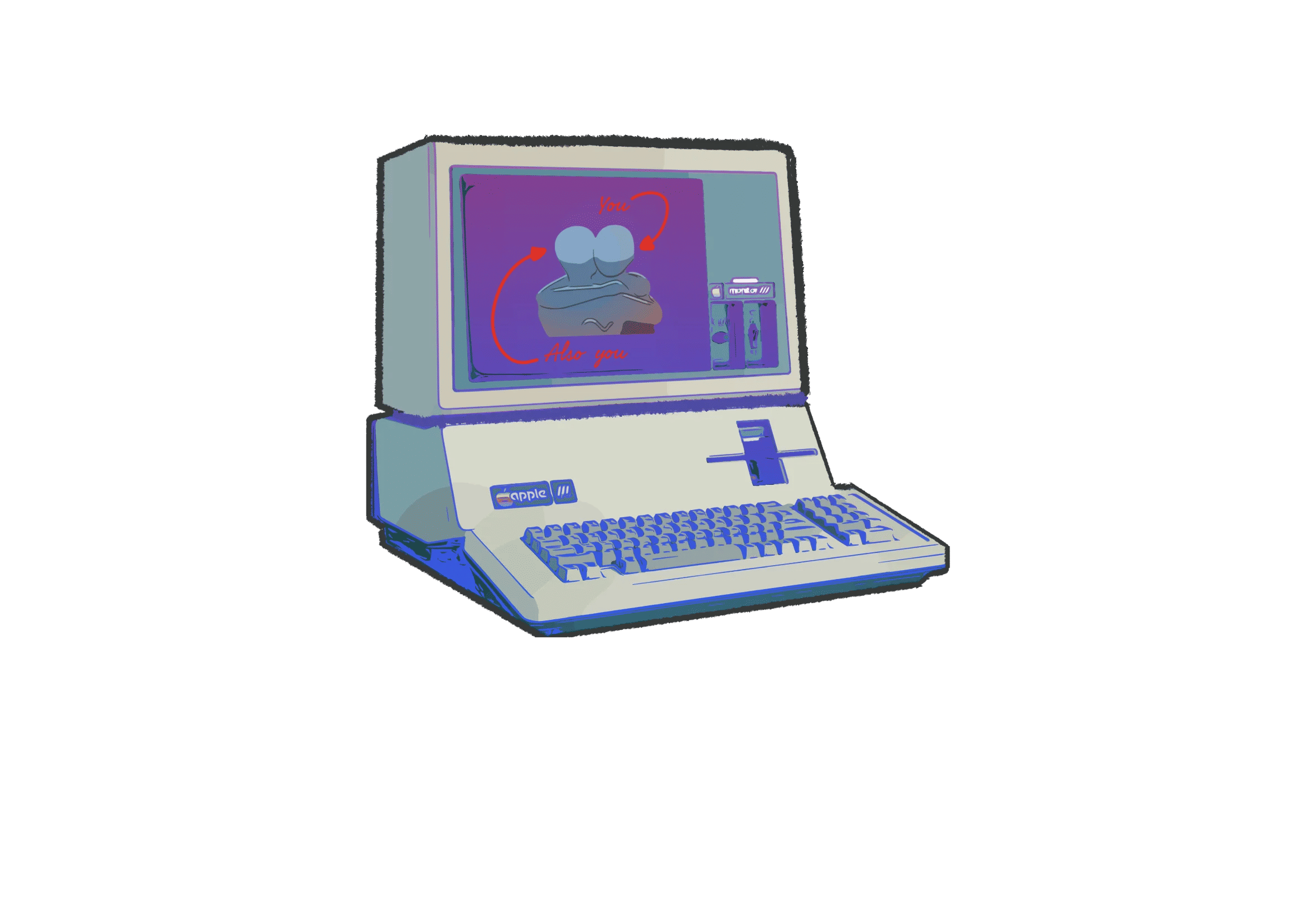
Image Credit
Image charitably shared via a C.C. BY 2.0 License by Adam Jenkins via Flicker.
It's been edited via Vectorization with Vector Q and further edited in Procreate.